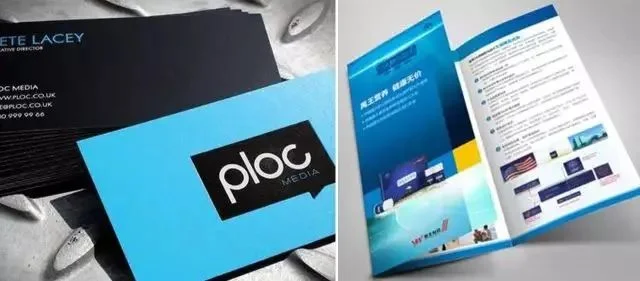
Single Powder (one-sided coated paper)
1. Commonly used carton materials, the paper thickness ranges from 80g to 400g, and for higher thicknesses, two sheets are required for mounting.
2. One side of the paper is glossy and the other side is matte. Only the glossy side can be printed.
3. No limitation on printing color.
Double Copper
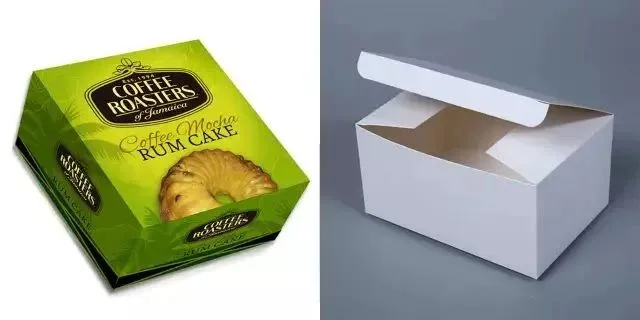
1. Commonly used carton materials, the paper thickness ranges from 80g to 400g, and for higher thicknesses, two sheets are required for mounting.
2. Both sides are glossy and can be printed on both sides.
3. The biggest difference from single powder paper is that it can be printed on both sides.
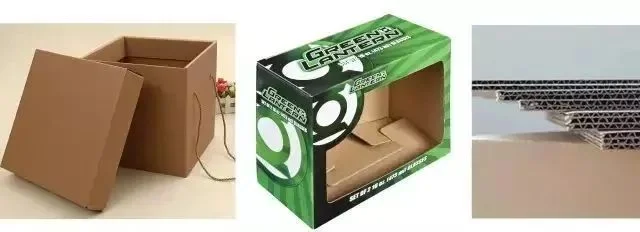
Corrugated Paper
1. Commonly used are single corrugated paper and double corrugated paper
2. Light weight, good structural performance, strong load-bearing capacity, and moisture-proof.
3. It can print in various colors, but the effect is not as good as single powder and double copper.
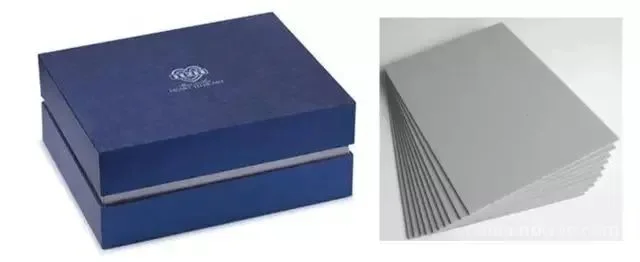
Cardboard
1. It is often used to make gift box structures, and the surface is mounted with a layer of single powder paper or special paper.
2. Commonly used colors are black, white, gray, and yellow, and the thickness is selected according to the load-bearing requirements.
3. If it is a single powder, the printing process is the same as that of the single powder; if it is a special paper, most of it can only be hot stamped, and some can be simple printed.
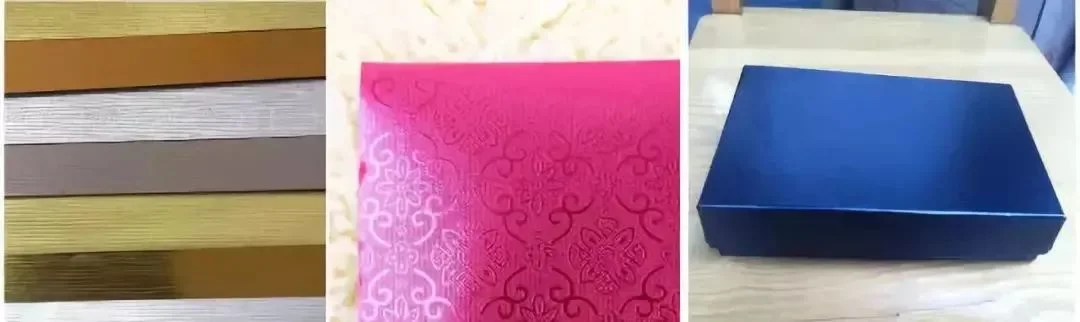
Specialty Paper
1. There are many types of special paper, and the commonly used packaging materials are: embossed paper, patterned paper, gold and silver foil paper, etc.
2. These papers are specially treated to enhance the texture and grade of the packaging.
3. Neither embossed paper nor patterned paper can be printed, and gold paper can be printed in four colors.
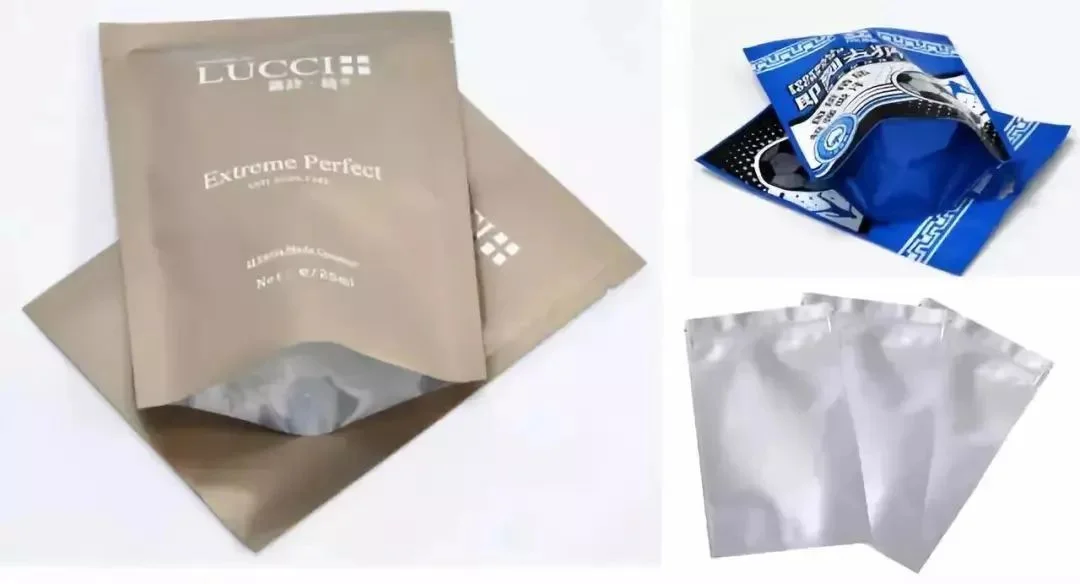
Composite Bag
1. Composite bags are suitable for vacuum packaging or general packaging of food, tea, electronic products, chemicals, pharmaceuticals and other products.
2. The process that can be done is basically the same as that of paper, which can be screen printing, printing and hot stamping.
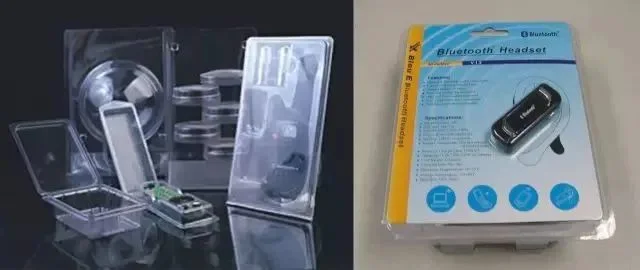
Blister
1. Blister is a transparent material, the main raw material is PVC, PE or PET.
2. It can directly replace the paper to make a box, and can also be formed with a paper card.
3. It can be screen printed, printed, or hot stamped.
4. It can be printed on the machine, but the printed product is relatively high, and small-scale production generally only uses silk screen printing.
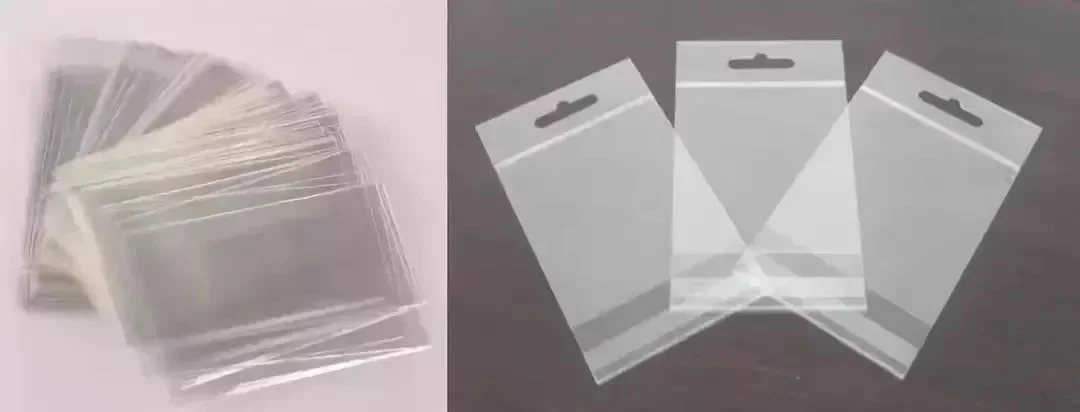
OPP Bag
1. The OPP bag is stretchable polypropylene, which is a kind of plastic, and it is actually a plastic bag.
2. Before packing the outer box, put the product in an OPP bag, which looks clean and hygienic.
3. It has the characteristics of high transparency and brittleness, and can also print various patterns and punch holes according to needs.
Shrink Bag
1. This is a bag with strong shrinkage when it reaches a certain temperature, which is used to protect the packaging.
2. It is only used to protect the packaging without other processes.